Foundation movement is a serious issue for California property owners. Whether you own a home, commercial building, rental property, or development site, shifting soil and changing moisture conditions can affect the stability of your foundation over time. Understanding the causes of foundation movement, the warning signs to watch for, and when to schedule a foundation inspection can help prevent more costly structural repairs.
At Saribalis Construction, we work with California property owners dealing with foundation concerns caused by soil movement, drainage issues, and seasonal weather changes. Early detection is one of the best ways to protect your property and avoid larger repair costs later.
What is foundation movement?
Foundation movement happens when the soil beneath or around a structure expands, contracts, settles, or shifts. As the ground moves, the foundation may also move, which can affect slabs, footings, walls, floors, and other structural elements.
In California, foundation movement is often linked to expansive soil, poor drainage, hillside conditions, and the cycle of wet winters followed by dry summers.
Common causes of foundation movement in California
California properties can experience foundation movement for several reasons.
Expansive soil
Expansive soil is one of the most common causes of foundation movement in California. This type of soil swells when it absorbs water and shrinks when it dries out. Over time, that repeated movement can place stress on the foundation.
Poor drainage around the foundation
Water that collects near a building can saturate the soil and weaken support around the foundation. Improper grading, clogged drains, and downspouts that discharge too close to the structure can all contribute to drainage problems.
Seasonal moisture changes
California’s wet and dry cycles can cause the soil to repeatedly expand and contract throughout the year. These seasonal changes often make foundation problems more noticeable after heavy rain or long dry periods.
Hillside and slope conditions
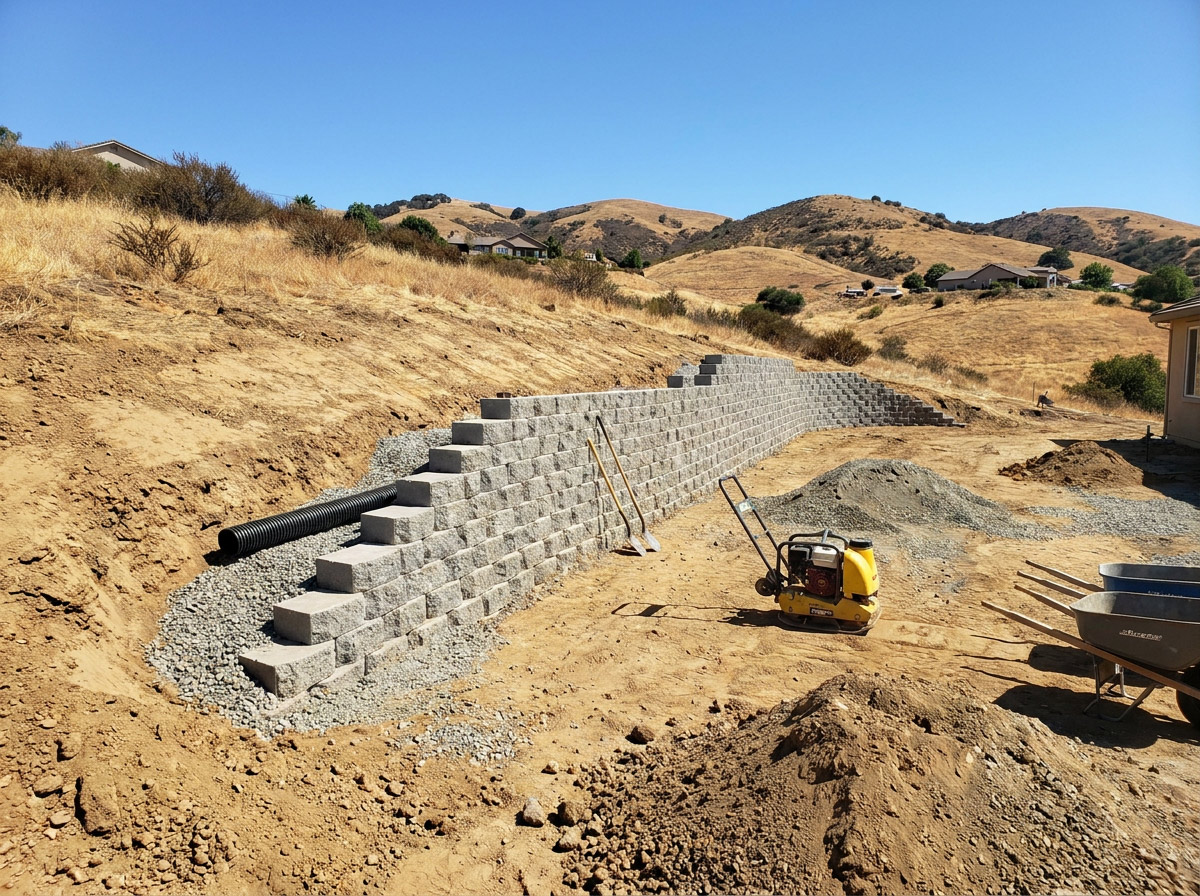
Homes and commercial buildings on hillsides or sloped lots may face added risk. Erosion, runoff, and unstable soil conditions can all contribute to foundation settlement or movement.
Tree roots and vegetation
Large trees and root systems can pull moisture from the soil, causing uneven drying and shifting near the foundation.
Signs of foundation movement
Property owners should watch for common signs of foundation problems, including:
- Cracks in foundation walls or concrete slabs
- Drywall cracks around doors and windows
- Doors or windows that stick or do not close properly
- Uneven, sloping, or sagging floors
- Gaps between walls, ceilings, or trim
- Cracks in stucco, brick, or masonry
- Water intrusion in crawl spaces or basements
Not every crack means severe structural damage, but recurring or worsening signs should be inspected by a professional.
Why foundation movement should not be ignored
Foundation movement can begin as a minor issue and become more serious over time. If left unaddressed, it can lead to larger structural cracks, water intrusion, drainage problems, uneven floors, and more expensive repairs.
For homeowners, foundation problems can affect safety, comfort, and resale value. For commercial property owners, foundation movement can impact tenants, operations, project timelines, and long-term property performance.
How to reduce the risk of foundation problems
While not every cause of foundation movement can be prevented, property owners can take steps to reduce the risk:
- Keep gutters and drainage systems clear
- Direct water away from the foundation
- Maintain proper grading around the property
- Monitor cracks and structural changes over time
- Address drainage and erosion issues early
- Schedule a professional foundation inspection when warning signs appear
When to schedule a foundation inspection
If you notice recurring cracks, sticking doors or windows, sloping floors, visible settlement, or water collecting near the structure, it may be time to schedule a foundation inspection. A professional evaluation can help determine whether the issue is cosmetic, drainage-related, or structural.
The earlier foundation movement is identified, the more options property owners typically have for repair and prevention.
Protect your California property
California property owners face unique foundation challenges due to expansive soils, changing moisture levels, and varied terrain. Understanding the signs and causes of foundation movement can help you act early and avoid more significant structural damage.
If you have concerns about foundation movement on your residential or commercial property, Saribalis Construction can help assess the condition of the structure and recommend the next steps.