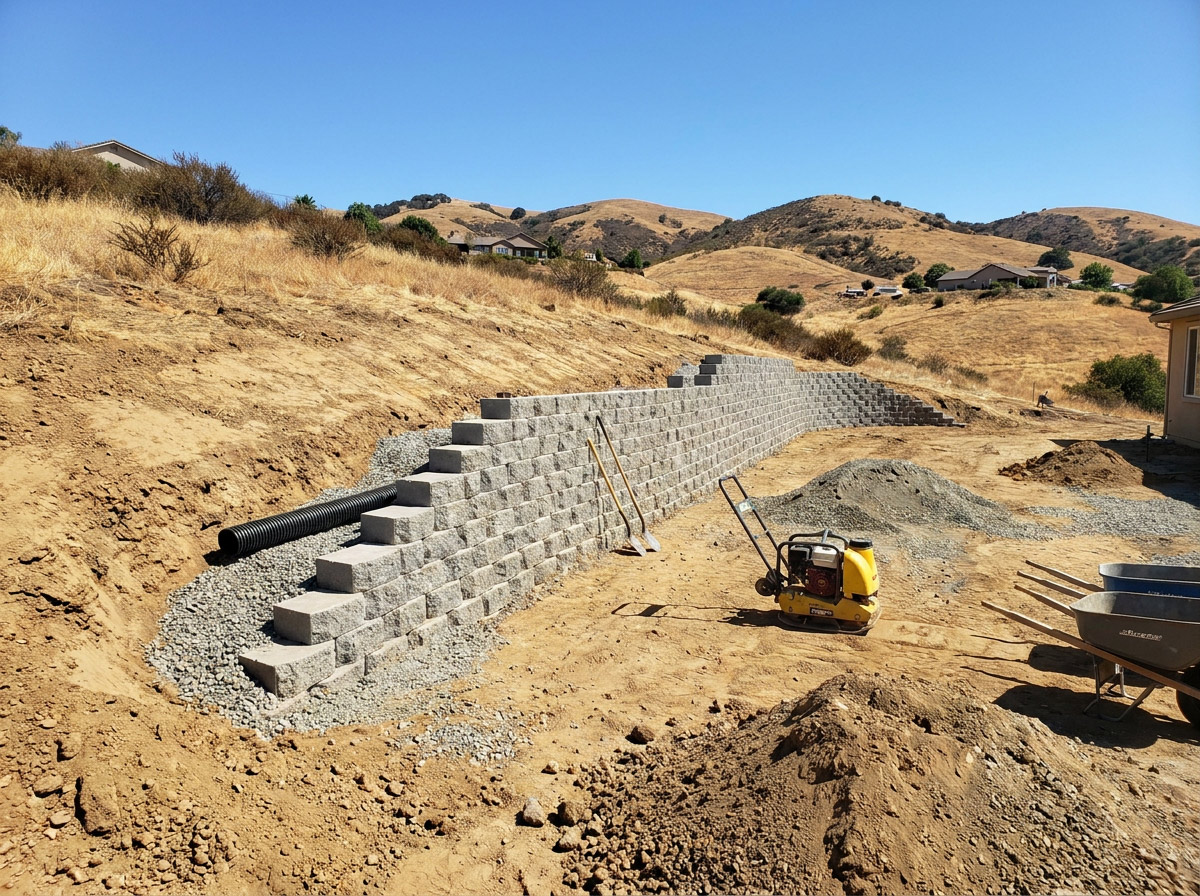
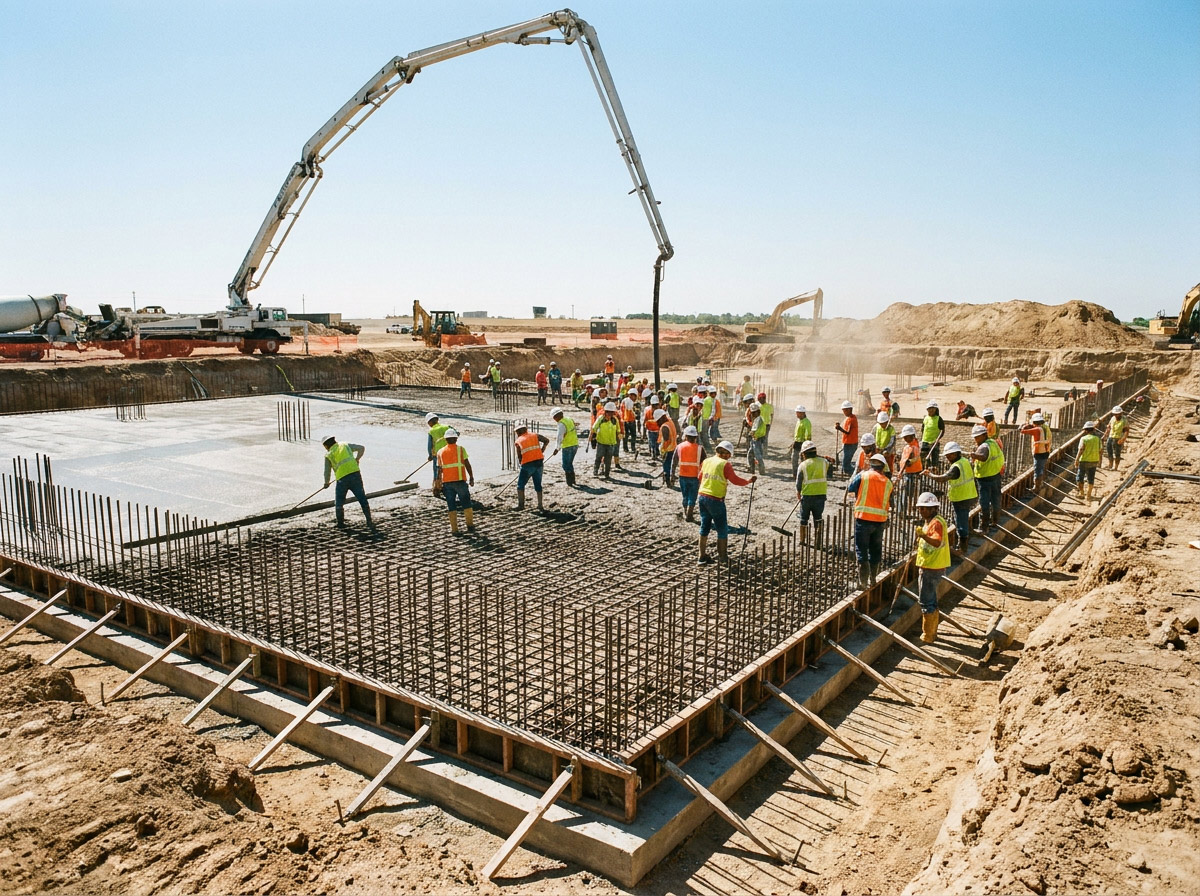
Spring is a critical season for commercial construction in California. As excavation, foundation, and site development work ramps up, project teams also face wet soil, drainage challenges, and schedule pressure. For developers, general contractors, and property owners, commercial shoring is a key part of keeping spring projects safe, compliant, and moving forward without unnecessary delays.
At Saribalis Construction, we understand that commercial shoring is not just a temporary support measure. It is a critical part of site safety, structural protection, and project execution. When shoring is planned correctly, it helps protect adjacent improvements, reduce risk, and support efficient progress through excavation and foundation phases.
Why spring conditions increase shoring risk in California
California spring projects often follow periods of winter rain, saturated soil, and drainage-related site movement. These conditions can create instability in excavation areas and increase the risk of delays, unsafe working conditions, and damage to neighboring improvements.
Common spring site challenges include:
- Saturated or unstable soil
- Groundwater or water intrusion in excavations
- Erosion and runoff near slopes or open cuts
- Increased lateral pressure on excavation walls
- Reduced site access and slower production
For commercial developers and contractors, these conditions make early shoring planning essential.
How commercial shoring protects project safety
A properly designed and executed shoring system helps stabilize the work area and reduce risk across the site. On commercial projects, that protection extends beyond the excavation itself.
Key safety benefits of commercial shoring include:
- Reducing the risk of soil collapse or movement
- Protecting adjacent buildings, hardscape, and infrastructure
- Supporting excavation walls during foundation and utility work
- Improving stability in wet or variable soil conditions
- Creating safer working conditions for crews and equipment
On active commercial sites, safety failures can affect liability, inspections, insurance exposure, and the overall project timeline. Shoring is one of the most important controls available during excavation.
How shoring helps keep commercial projects on schedule
Commercial schedules depend on sequencing. If excavation is delayed, foundation work, underground utilities, concrete placement, and vertical construction can all be pushed back. In spring, unstable site conditions can quickly disrupt that sequence.
Proper commercial shoring helps keep projects on schedule by:
- Allowing excavation to proceed safely and efficiently
- Reducing delays caused by unstable soil conditions
- Preventing rework from collapse, movement, or site damage
- Supporting coordination between trades and inspectors
- Helping maintain compliance with engineering and site requirements
For California developers, early shoring coordination can make the difference between a controlled excavation phase and a costly schedule setback.
Key considerations for California commercial shoring projects
Before excavation begins, project teams should evaluate several site-specific factors.
Soil and groundwater conditions
Soil type, moisture content, groundwater, and drainage patterns all influence the type of shoring required.
Adjacent structures and property lines
Excavation near neighboring buildings, sidewalks, streets, and utilities often requires added protection and more detailed planning.
Hillside and slope exposure
California sites with elevation changes, slopes, or erosion risk may require additional stabilization measures.
Engineering and permitting requirements
Commercial shoring must align with project engineering, structural requirements, and local site conditions.
Construction sequencing
Shoring should be coordinated early with excavation, foundation, and utility phases to avoid last-minute delays.
Why early planning matters
The most successful spring commercial projects treat shoring as part of the preconstruction strategy, not as a field fix after problems appear. Early planning allows developers, contractors, and engineers to assess site conditions, account for weather impacts, protect surrounding improvements, and choose the right shoring approach before excavation begins.
Waiting too long to address shoring can lead to schedule disruption, added cost, safety concerns, and avoidable project risk.
Work with an experienced California commercial shoring contractor
Commercial shoring is a critical part of safe, efficient site development in California. With the right planning and field execution, project teams can protect adjacent structures, reduce excavation risk, and keep spring construction moving on schedule.
If your project involves excavation, foundation work, slope conditions, or structural protection, Saribalis Construction can help evaluate site needs and recommend the right next steps for commercial shoring in California.