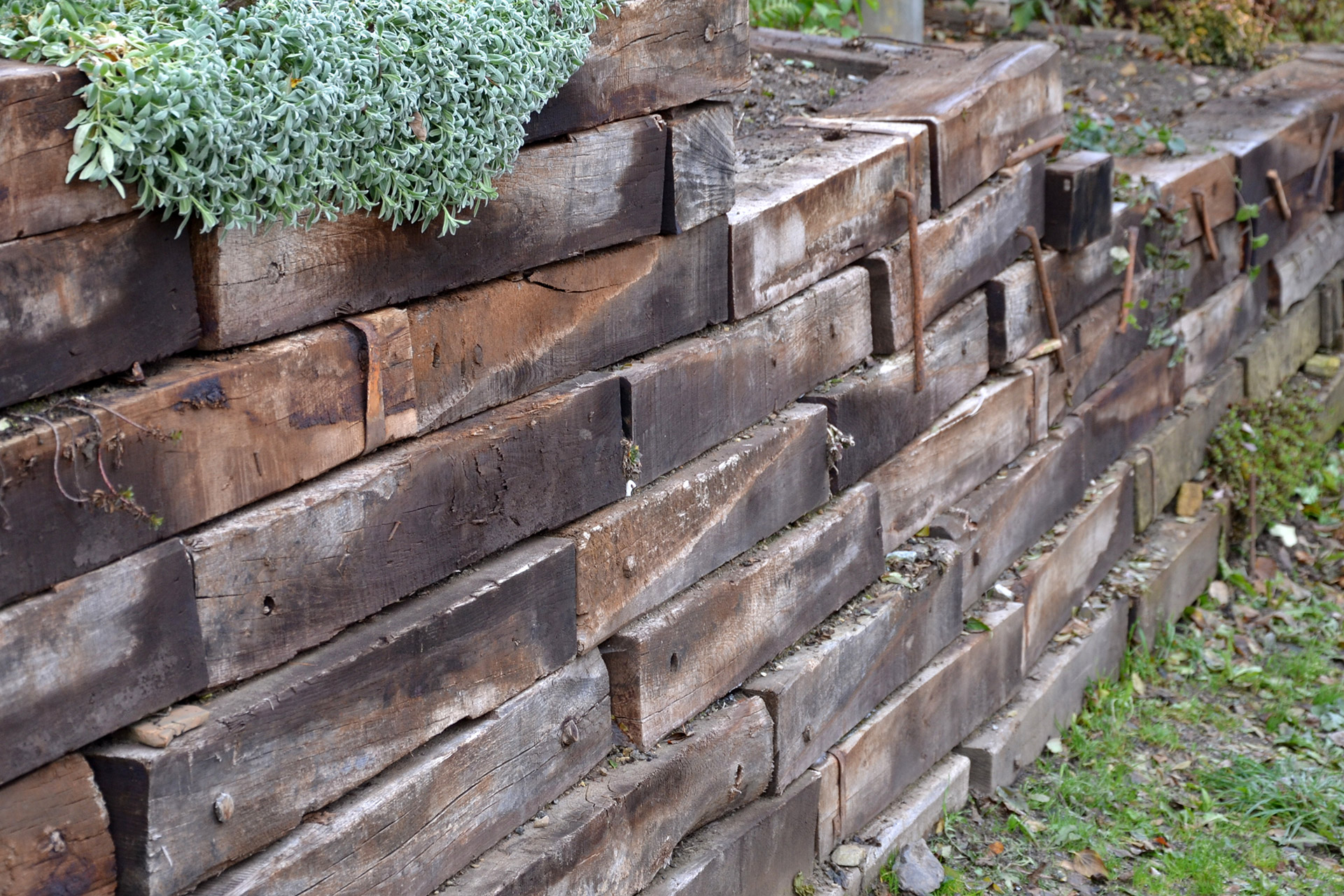
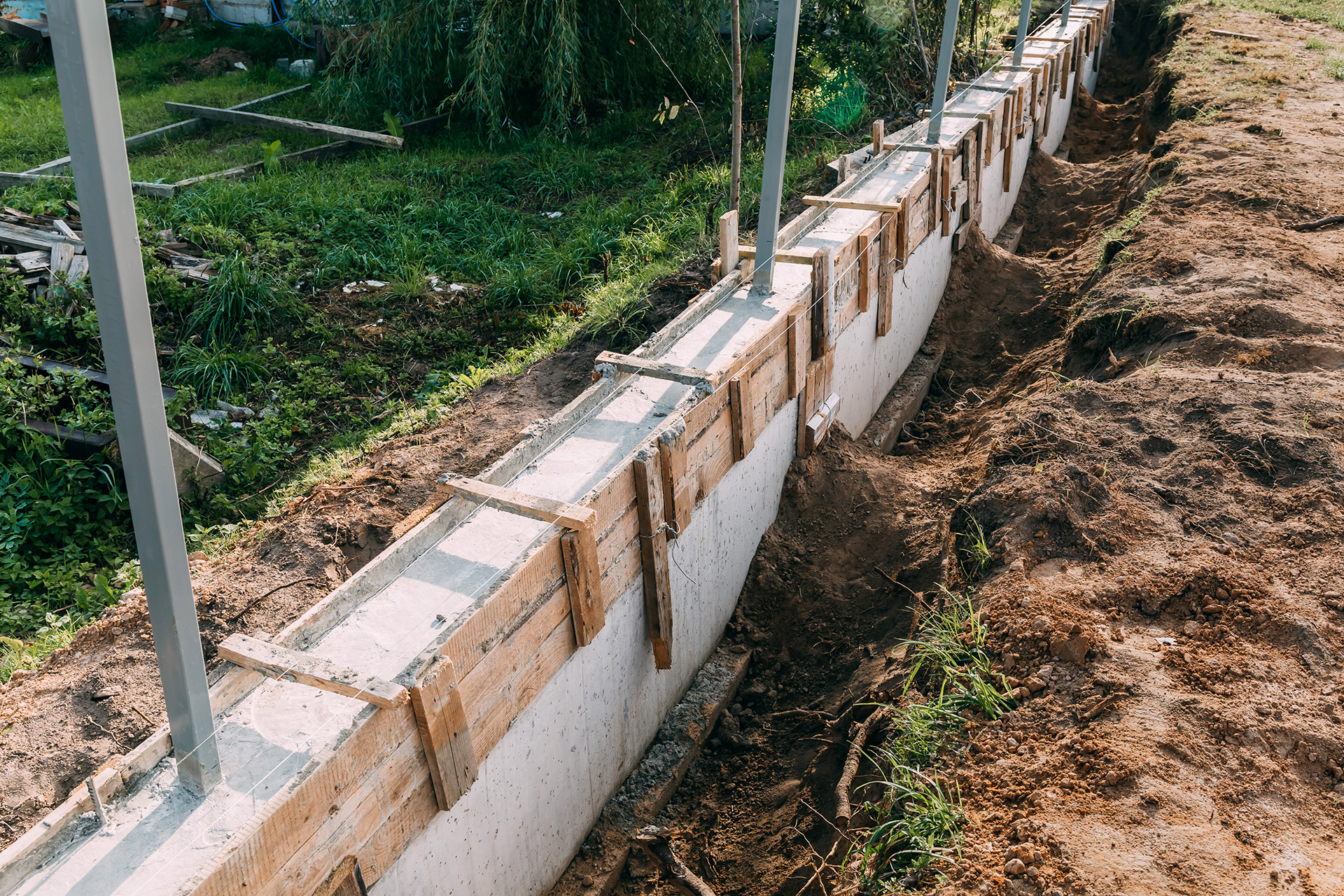
Heavy rain doesn’t just make your yard soggy—it can quietly push a retaining wall past its limits. Retaining walls are built to hold back soil, manage grade changes, and protect structures. When water builds up where it shouldn’t, pressure rises fast, and small issues can become expensive failures.
Why heavy rain is so hard on retaining walls
Retaining walls are designed to resist lateral (sideways) forces from the soil behind them. During prolonged or intense rainfall, that soil can become saturated, and two things happen:
- Hydrostatic pressure increases: Water trapped behind the wall adds significant force.
- Soil gets heavier and weaker: Saturated soil weighs more and can lose strength, increasing the load on the wall.
If a wall’s drainage system is clogged, missing, or undersized, rainwater has nowhere to go—so the wall becomes the “release valve.”
Common ways rain causes retaining wall damage
1. Drainage failure (the #1 culprit)
Most retaining wall problems during storms trace back to poor drainage. Without proper gravel backfill, drain pipe, and weep holes, water pressure builds until the wall shifts, cracks, or bulges.
2. Erosion and washout
Fast-moving runoff can wash away soil at the base (toe) of the wall or behind it, undermining support. Even a well-built wall can fail if the ground supporting it is eroded.
3. Frost and freeze-thaw (in colder climates)
In areas where temperatures drop, water can seep into cracks and expand when it freezes, widening gaps and accelerating deterioration.
4. Added loads from pooling water and landscaping
Rain can turn planters, mulch beds, and saturated landscaping into extra weight. If the top of the wall also supports a driveway, patio, or slope, the combined load can be too much when the soil is waterlogged.
Warning signs property owners shouldn’t ignore
After heavy rain—or even during a wet season—walk your property and look for these red flags.
Visible wall movement
- Bulging or bowing in the middle of the wall
- Leaning forward (top tilting outward)
- Sections separating or stepping out of alignment
Cracks and failing joints
- New cracks in concrete, block, or mortar
- Cracks that widen over time
- Loose or shifting blocks
Drainage and water issues
- Water pooling behind or near the wall
- Weep holes not draining during/after rain
- Mud or sediment staining on the face of the wall (often a sign water is pushing through)
Soil and landscape changes
- Sinkholes or depressions behind the wall
- Soil washing out at the base
- Sudden dips in the yard near the top of the wall
Nearby structure warning signs
- Cracked patios, walkways, or steps near the wall
- Fence posts leaning above the wall
- Doors or gates sticking if the wall is near a structure (movement can transfer)
What to do if you spot a problem
If you see any of the warning signs above, it’s best to act quickly—retaining wall failures can be sudden.
- Document changes: Take photos from the same angles over a few days or weeks.
- Redirect water immediately: Clear downspouts, extend drain lines, and keep runoff away from the wall.
- Avoid adding weight: Don’t park vehicles near the top of the wall or add heavy planters until it’s assessed.
- Get a professional evaluation: A qualified contractor or engineer can determine whether the wall needs drainage improvements, reinforcement, or a rebuild.
Preventive steps that help before the next storm
Even if your wall looks fine today, prevention is cheaper than emergency repair.
- Keep drainage paths clear: Clean gutters, downspouts, and surface drains.
- Check weep holes: Make sure they’re open and flowing.
- Control runoff: Grade soil so water flows away from the wall.
- Inspect annually: Especially before rainy season.
When it’s an emergency
Call a professional right away if:
- The wall is leaning noticeably or bulging significantly
- You see rapid movement after a storm
- There’s major cracking or sections collapsing
- The wall supports a driveway, building, or steep slope
Final thoughts
Heavy rain exposes weak points in retaining walls—especially drainage issues. The sooner you catch movement, cracking, or water buildup, the more likely you can fix the root cause before it becomes a full failure.
If you want, tell me what type of retaining wall you have (block, poured concrete, timber, stone) and whether you’re seeing leaning, cracks, or pooling water—I can help you tailor the warning signs and next steps to your situation.